Intentional Structure
Define meal timing patterns that fit your daily schedule. Our frameworks suggest food categories and proportions rather than calorie targets.
Wristback publishes structured approaches to organizing meals and kitchen routines. All content is general information for learning purposes and does not replace advice from a licensed physician or registered dietitian.
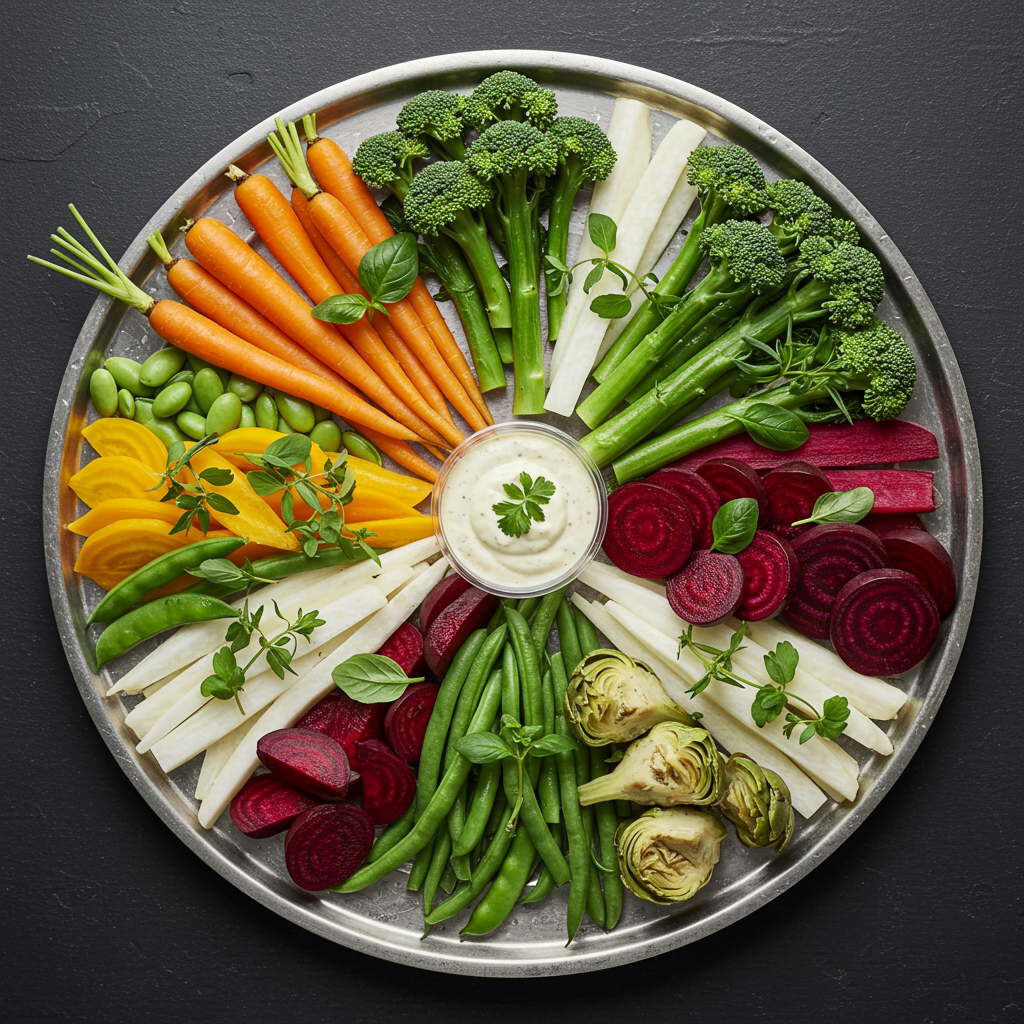
Rather than prescribing rigid menus, we offer flexible structures that adapt to your schedule, preferences, and local ingredient availability.
Define meal timing patterns that fit your daily schedule. Our frameworks suggest food categories and proportions rather than calorie targets.
Rotate plant-based foods, whole grains, and lean proteins across the week. Variety keeps meals interesting and covers a wide range of food groups.
Develop awareness of hunger cues, portion comfort, and eating pace. These practices complement structural guidance without judgment or pressure.
Map your eating moments to natural energy cycles. This timeline serves as a reference, not a strict schedule.
Begin with water and a balanced first meal combining fiber and protein sources.
A small fruit portion or herbal tea if hunger signals appear between meals.
Center the day around a composed plate with vegetables, grains, and protein.
Choose whole-food options that bridge the gap until evening without heaviness.
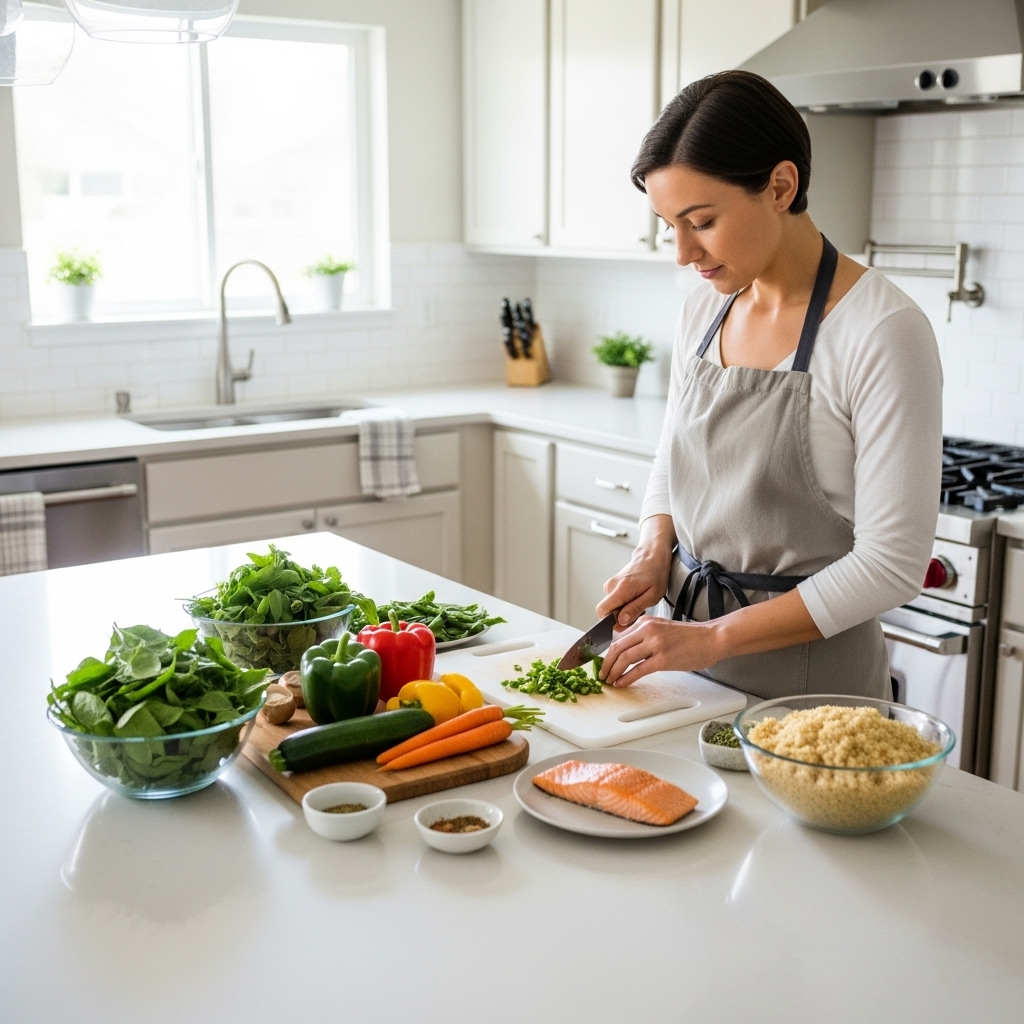
Dedicate two sessions per week to washing produce, cooking grains, and portioning proteins. This reduces daily decision fatigue and supports adherence to your chosen framework.
Assign loose themes such as grain bowls, sheet-pan dinners, or soup evenings to simplify grocery lists.
Reserve two open meal slots each week for spontaneous dining or leftover repurposing. Flexibility prevents rigidity from becoming a barrier.
Document what works in a simple journal to refine your personal rhythm over time.
Build lists from your framework categories rather than individual recipes.
Our consulting sessions focus on educational support for building practical meal planning frameworks. We discuss meal structure, grocery lists, and kitchen organization.
These services are non-medical food education only. They do not include diagnosis, treatment plans, or clinical nutrition therapy. Session fees are disclosed before you book. For medical or dietary concerns, consult a licensed healthcare provider.
Schedule a ConversationWe are a New York-based food education publisher focused on practical meal planning frameworks. Our team includes food literacy educators and culinary consultants who develop structured guides for everyday cooking and grocery organization.
We are not a medical practice, licensed dietitian clinic, or healthcare provider. We do not sell supplements, meal replacement products, or weight-management programs. Every article and session is designed for general learning.
Free articles on daily meal rhythms, plate composition, batch cooking, and seasonal ingredient rotation. Optional paid workbooks and one-to-one educational consultations.
We cite general food literacy principles from publicly available dietary guidelines. We do not claim affiliation with government agencies or medical institutions.
Explore our dedicated pages on daily eating patterns and meal composition, or reach out for a personalized framework consultation.